Comparing local skincare specialists: what to look for
What to compare when choosing a local skincare specialist
When you start looking for a skincare professional nearby, the options can feel overwhelming. Clinics, salons, and independent practitioners all offer different services, and it is not always clear what truly matters. Rather than picking the first name you find, it helps to compare a few key areas. This way, you can find someone whose approach and expertise match your needs.
Consultation process
The first real point of contact with a specialist is the consultation. Some offer a quick chat over the phone, while others schedule a full in-person appointment. A thorough consultation should cover your skin type, concerns, medical history, and what you hope to achieve. It is also a chance to ask questions about the treatments they recommend. If a practitioner rushes through this stage or does not ask about your medical background, that is a red flag. A good consultation sets the tone for everything that follows.
How the consultation is conducted matters too. Some specialists use skin analysis tools or take photographs to track progress. Others rely on a visual assessment and discussion. Both can work, but the key is that you feel heard and that the plan proposed is tailored to you, not a one-size-fits-all package.
Practitioner credentials and training
Not all skincare specialists have the same background. Some are nurses or doctors who have completed additional training in aesthetics. Others are beauty therapists with qualifications in advanced skincare. The right choice depends on the treatment you need. For medical-grade procedures like injectables or laser work, you want someone with clinical training and insurance. For routine facials and peels, a skilled beauty therapist may be perfectly suitable.
It is reasonable to ask about qualifications and how recently the practitioner updated their skills. Many professionals attend courses and workshops regularly to keep up with new techniques and safety standards. A practitioner who is open about their training history is usually confident in their abilities.
Treatment menu and specialisation
Some clinics offer a broad range of services, while others focus on a few core treatments. A wide menu can be convenient if you want different things done in one place. However, a specialist who concentrates on a small number of treatments may have deeper experience in those areas. For example, someone who performs microneedling daily is likely more skilled than a generalist who offers it occasionally.
Look at the treatment list and see if it matches your goals. If you are interested in anti-ageing treatments, check whether the clinic provides options like chemical peels, microcurrent facials, or radiofrequency. If you have a skin condition such as acne or rosacea, seek out a practitioner who regularly manages those concerns. Comparing menus helps you narrow down which providers are worth a visit.
Clinic location and environment
Location can affect how often you attend appointments. A clinic that is close to home or work makes it easier to stick to a treatment schedule. But convenience should not override quality. A short drive to a well-regarded specialist may be better than a five-minute walk to someone less experienced.
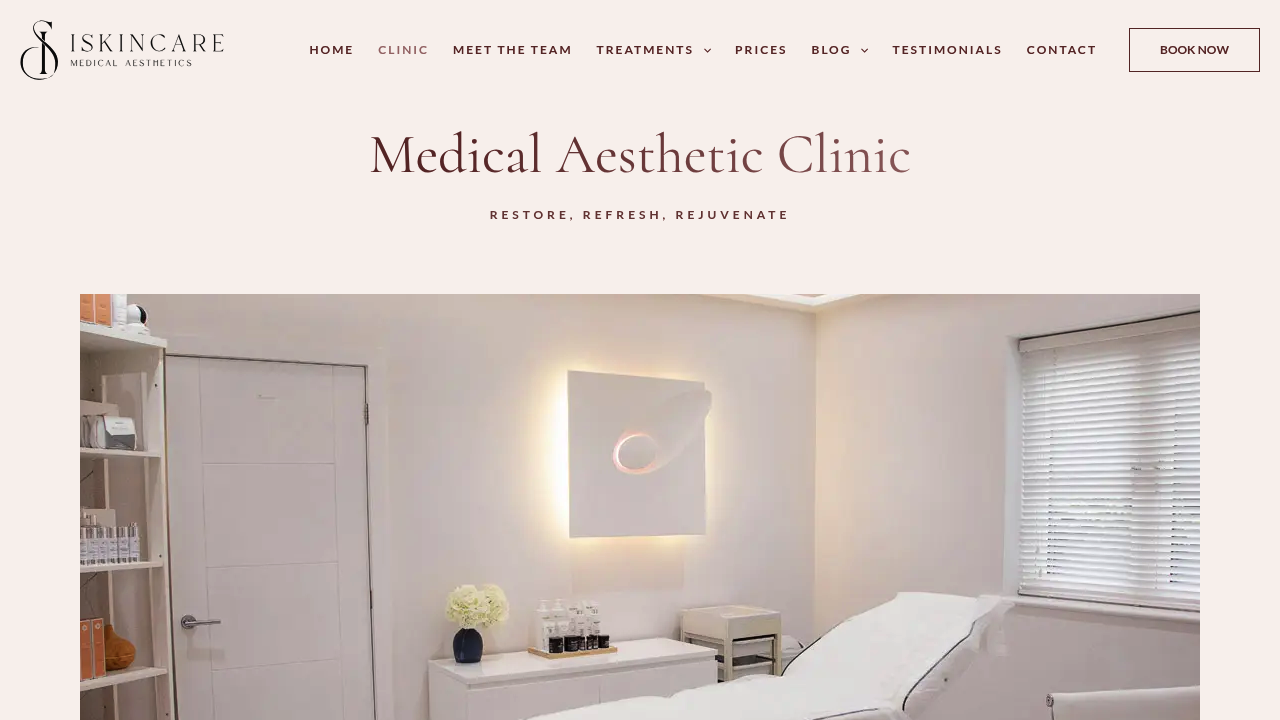
The clinic environment also matters. When you visit, notice whether the space is clean, well-organised, and professional. Reception staff should be courteous and helpful. The treatment rooms should look hygienic, with equipment stored properly. You are paying for a service, and the surroundings should inspire confidence.
A resource like aestheticdirectory.co.uk can help you find practitioners in your area and see what they offer, making it easier to compare options side by side.
Client reviews and reputation
Online reviews give a glimpse into other people's experiences. Look for patterns rather than individual comments. Several reviews mentioning the same strength, such as excellent communication or great results, are more telling than one glowing or negative post. Also, pay attention to how the clinic responds to feedback. A professional reply to a negative review shows they take concerns seriously.
Word of mouth remains valuable. If a friend or colleague has had a good experience with a local specialist, that personal recommendation carries weight. But remember that everyone's skin is different, so results can vary.
When reading reviews, focus on comments about the practitioner's manner, the cleanliness of the clinic, and whether the results matched expectations. Reviews that mention pricing or waiting times can also help you set realistic expectations.
Aftercare and follow-up
Good aftercare is a sign of a responsible practitioner. Some treatments need specific aftercare routines, and the specialist should provide clear written instructions. They should also tell you what to do if you have a reaction or are unhappy with the outcome. A practitioner who offers a follow-up check, either in person or by message, shows they care about your long-term results.
Compare how each provider handles aftercare. Do they give you a number to call with questions? Do they schedule a review appointment? These details matter, especially for treatments that involve downtime or carry some risk. A provider who leaves you to manage alone after the procedure may not be the best choice.
aestheticdirectory.co.uk lists many practitioners and includes information about their services, which can help you compare aftercare policies before you book.
Medical history and safety protocols
A professional skincare specialist will always ask about your medical history. This includes allergies, medications, past procedures, and any skin conditions. They should also explain the risks and benefits of each treatment before you consent. If a practitioner skips this step or seems reluctant to discuss risks, consider it a warning sign.
Safety protocols extend to hygiene. Single-use needles, sterilised equipment, and clean treatment beds are non-negotiable. You can observe these things during a visit. A practitioner who takes safety seriously will be happy to show you their setup.
Making your choice
After comparing these factors, you should have a shortlist of two or three local specialists. Book a consultation with each if possible. The face-to-face meeting often clarifies things that online research cannot. You can gauge the practitioner's manner, see the clinic in person, and get a feel for whether you trust them.
Trust your instincts. If something feels off during the consultation, it is okay to walk away. The right specialist will make you feel comfortable and informed, not pressured. Comparing providers takes a little time, but it helps you find someone who can genuinely help your skin in the long run.
Ultimately, the best choice is the one where the practitioner's expertise, the treatment options, and the clinic environment all align with your priorities. By focusing on these areas, you can make a confident decision and start your skincare journey with the right person.
Ends · THETREATMENTROOM